
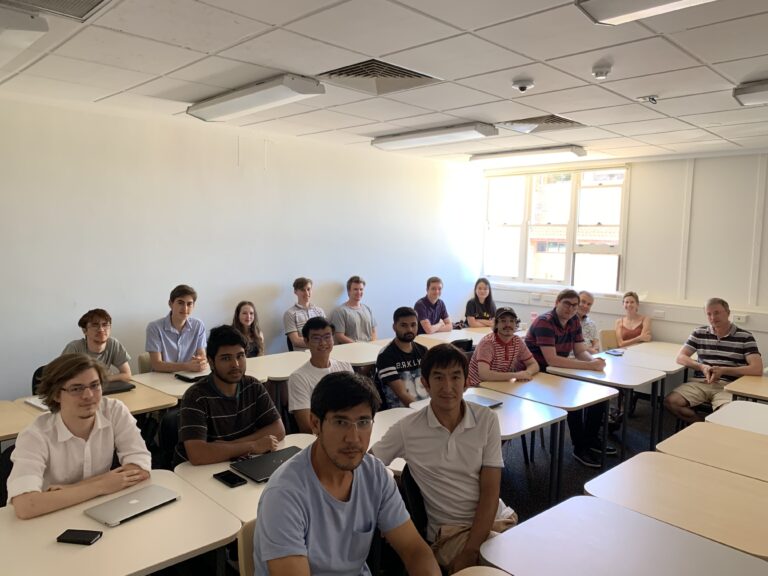
Professor Igor Bray - Director
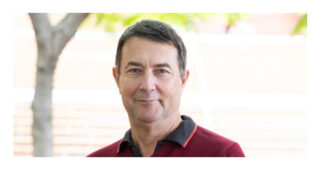
Professor Bray is a world-leader in the field of atomic collision theory, an excellent science communicator and a big-picture thinker, a combination of skills that has made him a great advocate and prominent speaker for science and science policy at local, national and international levels.
His clear way of expressing his views, even about very specialised and complex topics, has enabled him to engage the broader community – including school students – in important discussions about the role of science and science education in Australia’s future.
Read about Professor Igor Bray’s publications here
Dr Liam Scarlett
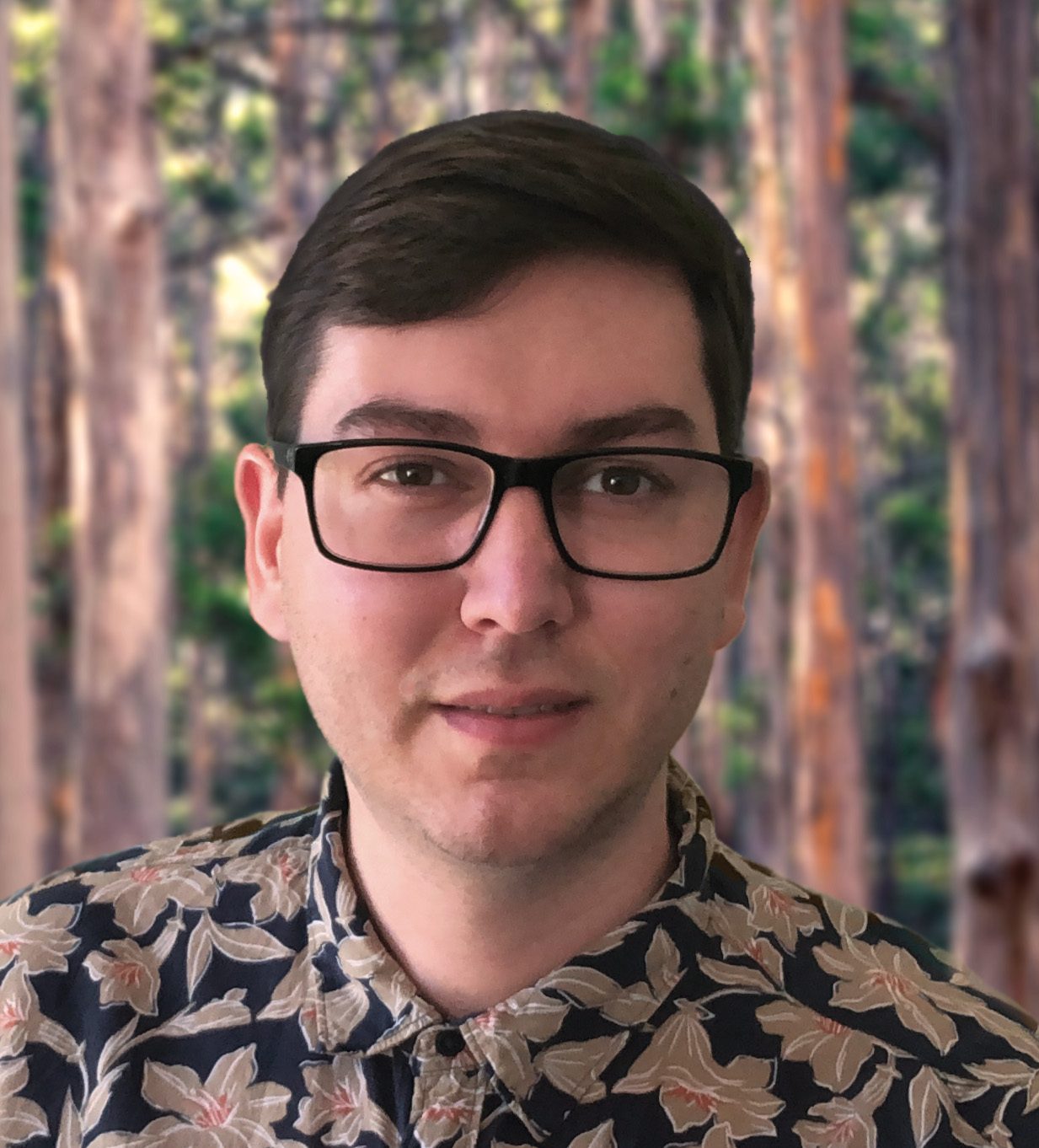
Dr Scarlett is an ARC DECRA Research Fellow in the Theoretical Physics Group, with an interest in electron–molecule collisions for nuclear fusion and astrophysics applications.
Read about Dr Liam Scarlett’s publications here
Professor Alisher Kadyrov
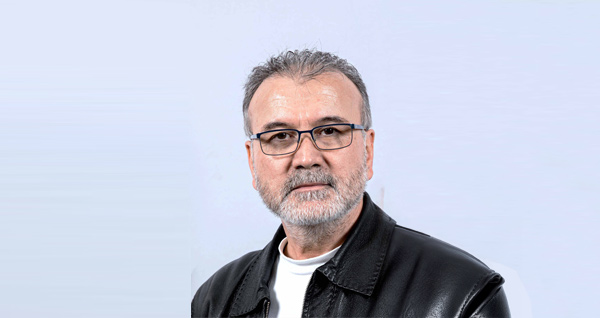
Professor Alisher Kadyrov is a theoretical physicist, renowned for his expertise in scattering theory, atomic and molecular collisions, few-body systems, and nuclear astrophysics. With a PhD from Lomonosov Moscow State University following an MSc from Moscow Institute of Physics and Technology and extensive research experience spanning over three decades, he has made significant contributions to our understanding of fundamental physical processes.
Read about Professor Alisher Kadyrov’s publications here
Dr Corey Plowman
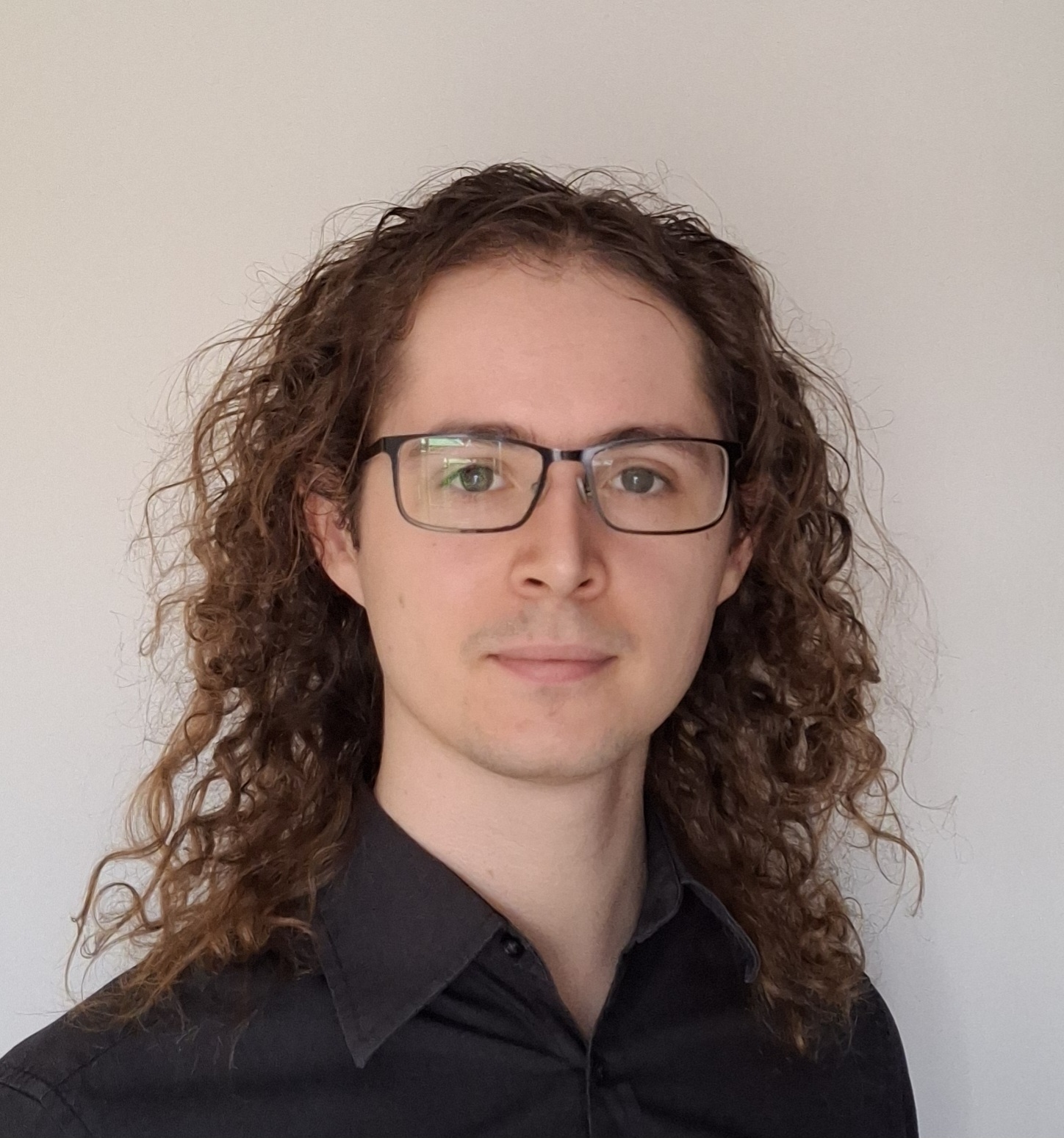
Dr Plowman’s research interests include atomic and molecular collision physics. He specialises in the calculation of fundamental data for ion-atom and ion-molecule scattering processes relevant to fusion plasma research, astrophysical modelling, and hadron therapy.
Read about Dr Corey Plowman’s publications here
Professor Dmitry Fursa
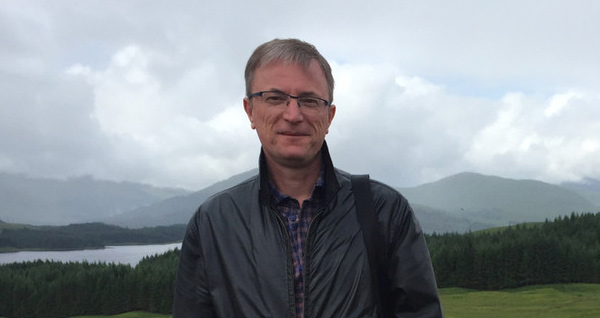
Prof Fursa works in the field of computational modelling of quantum reaction processes. He received his PhD in 1995 from The Flinders University of South Australia and has had continuous Australian Research Council (ARC) funding since 1996.
He was awarded ARC Postdoctoral fellowship (1996), ARC Research Fellowship (1999), ARC Future Fellowship (2010) and is part of the team awarded six ARC Discovery projects and the ARC Centre of Excellence in Antimatter-Matter Studies. He is a Fellow of the American Physical Society since 2012.
Read about Professor Dmitry Fursa’s publications here
Dr Nick Antonio
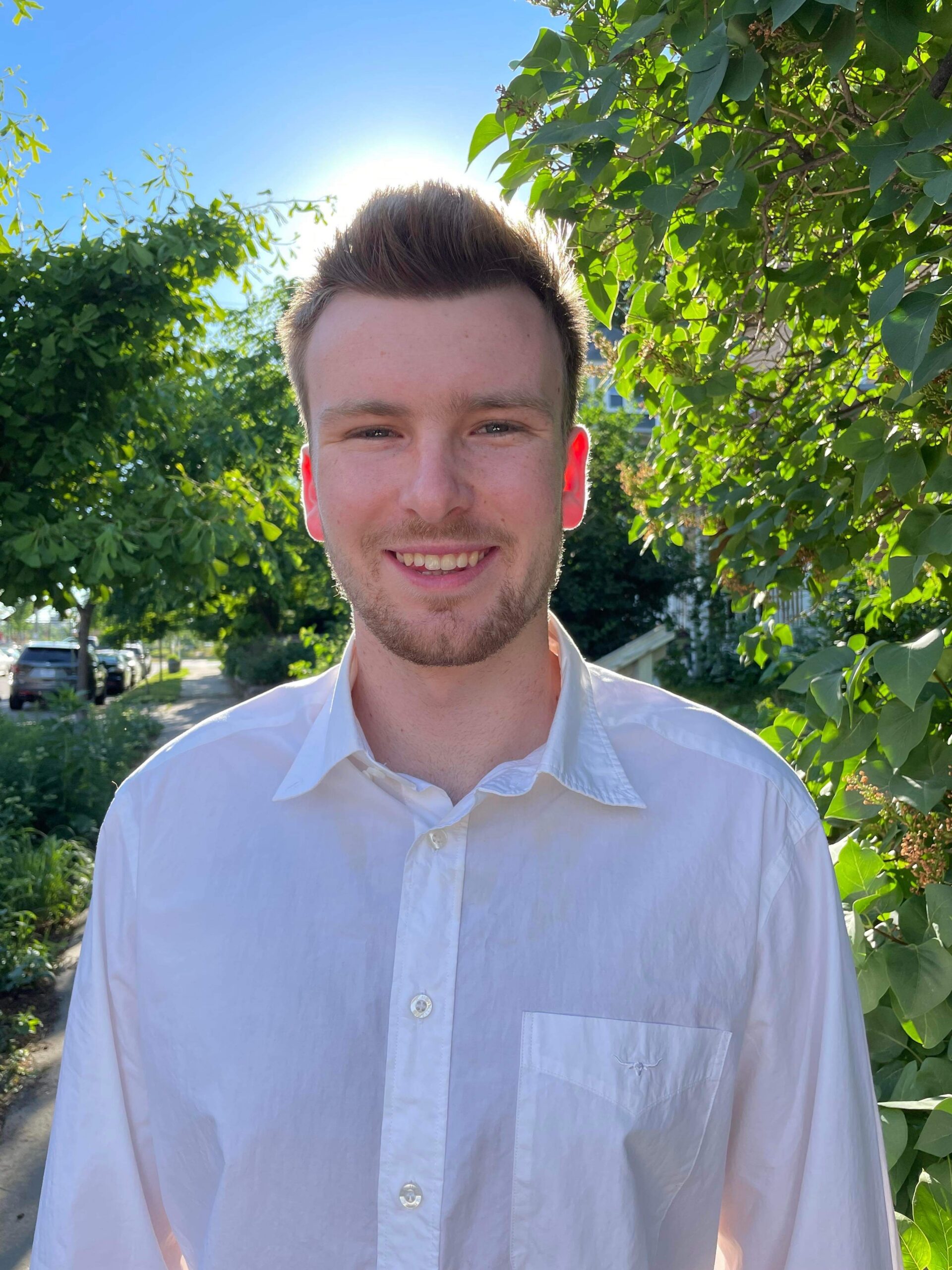
Dr Antonio is a Research Associate in the Curtin Theoretical Physics Group, specialising in computational modelling of ion collisions with multielectron atoms. His work produces atomic collision data of practical importance for nuclear fusion, astrophysics, and hadron therapy for cancer treatment.
Read about Dr Nick Antonio’s publications here